
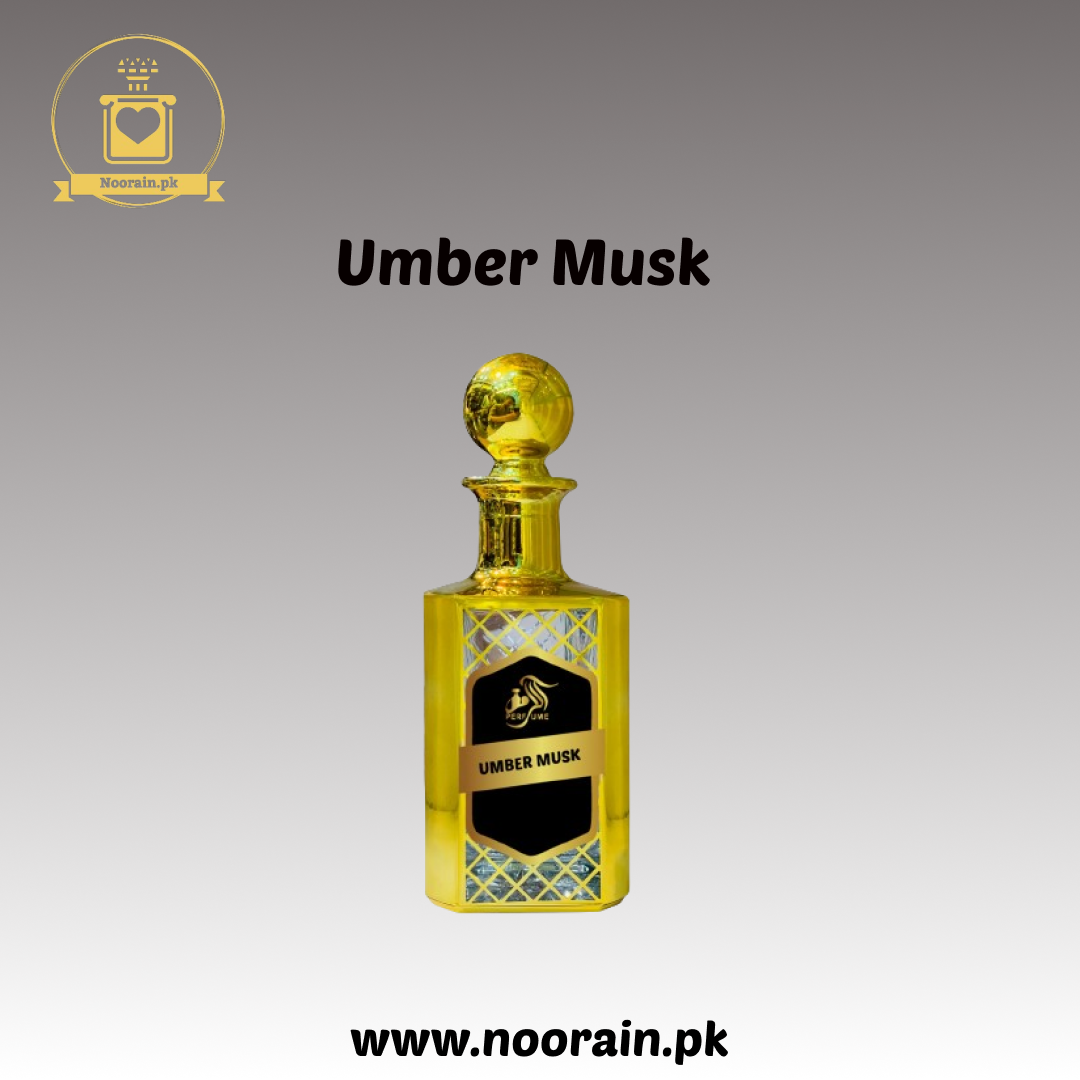
The Origins and Characteristics of Umber and Musk
Umber and musk have long held significant places in both cultural history and the world of fragrance. Umber, an earthy pigment, derives its name from the Italian region of Umbria. Historically, it has been used as a natural coloring agent in art and decoration, valued for its rich, warm hues. In the realm of fragrance, umber’s deep, woody notes add complexity and grounding elements to various compositions.
Umber’s natural origins lie in clay deposits rich in iron oxide and manganese oxide. When heated, this pigment transforms into a darker, more intense shade, known as burnt umber. Its versatility in art has paralleled its subtle, yet impactful role in fragrance creation, where it contributes to the depth and longevity of a scent.
Musk, on the other hand, has a storied history as one of the most esteemed ingredients in perfumery. Traditionally sourced from the glands of the musk deer, it possesses a powerful and enduring scent profile. Musk’s animalistic and sensual aroma has made it a cornerstone in the creation of many classic and contemporary perfumes.
Due to ethical and conservation concerns, the use of natural musk has significantly declined. Today, synthetic musk compounds, such as white musk, are predominantly used. These alternatives mimic the scent of natural musk while ensuring sustainability and cruelty-free practices. Synthetic musks are often cleaner and more consistent in their olfactory characteristics, providing a reliable substitute in modern perfumery.
The sensory characteristics of umber and musk are distinct yet complementary. Umber imparts a warm, earthy, and slightly smoky quality, grounding the fragrance with a natural, rustic charm. Musk, with its rich, deep, and slightly sweet aroma, adds a layer of complexity, evoking warmth and sensuality. In perfumery, the interplay between these elements creates balanced, captivating scents that resonate on a profound sensory level.
While natural and synthetic versions of these ingredients may differ in origin and some nuances, their core attributes remain influential in the art of fragrance creation. The historical and cultural significance of umber and musk continues to inspire and inform the ever-evolving landscape of perfumery.
The Art and Science of Attar and Umber Musk
Attar, also known as ittar, is a traditional form of perfume oil that has deep roots in Middle Eastern and South Asian cultures. These aromatic oils are typically derived from botanical sources through a meticulous process that has been perfected over centuries. The origins of attar can be traced back to ancient civilizations, where it was used in religious ceremonies, as a personal fragrance, and for its supposed medicinal properties.
The creation of attar involves the distillation of flower petals, herbs, and other natural ingredients. Traditionally, the distillation process is carried out in copper stills called degs. The raw materials are heated, and the vapor is collected in a receiver containing a base oil, such as sandalwood or jojoba oil, which acts as a fixative. This method ensures that the delicate aromas are captured and preserved in the oil. The entire process can take several days to weeks, depending on the type of attar being produced.
Umber musk is a specific blend within the attar family, combining the earthy notes of umber with the rich, animalistic scent of musk. Umber, known for its grounding and robust qualities, pairs harmoniously with musk’s deep and sensual aroma, creating a balanced and captivating fragrance. This unique combination has found favor in modern perfumery, where it is celebrated for its ability to evoke a sense of warmth and intimacy.
In contemporary fragrance culture, umber musk is appreciated for its versatility and longevity. It appeals to both traditionalists and modern fragrance enthusiasts, offering a timeless scent that can be worn in various settings. When choosing attars, it is essential to consider the quality of the ingredients and the reputation of the producer. High-quality attars are typically sold in small, dark glass bottles to protect the oil from light and heat, which can degrade the fragrance.
For application, a small amount of attar can be dabbed on pulse points, such as the wrists, behind the ears, and the base of the throat. This allows the fragrance to diffuse naturally with the body’s warmth, creating a subtle yet lasting scent. Proper storage is also crucial; attars should be kept in a cool, dark place to maintain their integrity over time.
Reviews
There are no reviews yet.